
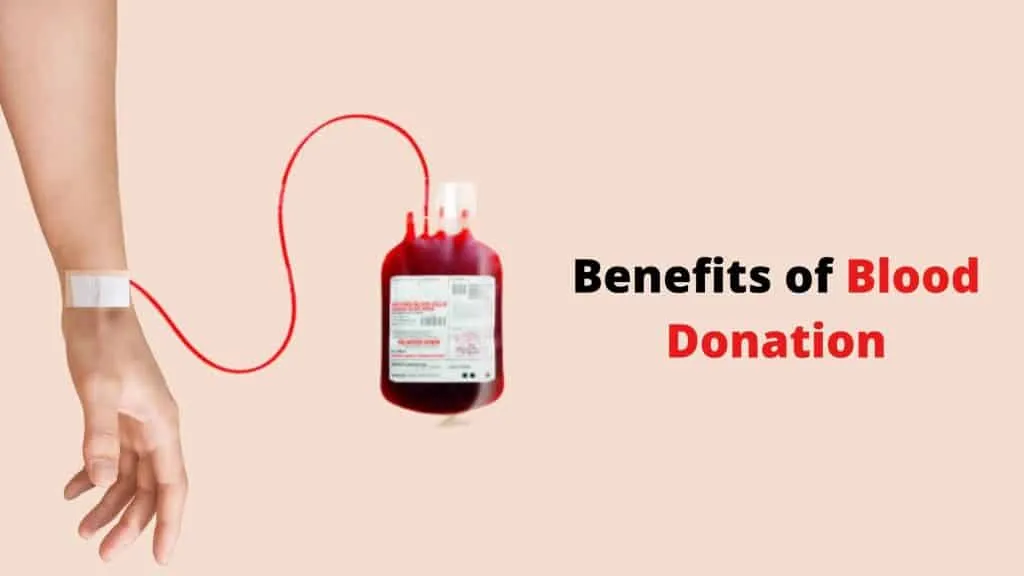

Many people think about donating plasma to help others or earn extra cash. It seems like a simple way to do a good deed. However, it is very important to stop and ask, “Why you shouldn’t donate plasma?” While it helps some, it is not the right choice for everyone. You need to know how it affects your body first. This article will help you understand the risks and why you might want to reconsider.
Plasma is the liquid part of your blood. During a donation, a machine takes your blood. It separates the plasma and sends the rest back into your body. This process takes much longer than giving whole blood. Sometimes, it can take over an hour. You should know that this is a big task for your body to handle. You might feel very tired afterward because of the time and energy it takes.
Why You Shouldn’t Donate Plasma If You Are Dehydrated
Your plasma is mostly water. When you donate, you lose a lot of that fluid. If you do not drink enough water, you could get very dizzy. Some people even faint after they donate. This is why you shouldn’t donate plasma if you have not been drinking enough fluids. Dehydration makes your heart work much harder. It is not worth the risk to your health just for a quick trip to the center.
Potential Side Effects of Plasma Donation
Even if you are healthy, you might still have side effects. Common issues include bruising or pain at the needle site. Some people feel tired or weak for the rest of the day. You might also notice a metallic taste in your mouth. These are all signs that your body is stressed. Understanding these risks is a big part of knowing why you shouldn’t donate plasma if you are already feeling run down.
The Risk of Citrate Reactions
When they collect your plasma, they use a chemical called citrate. It stops your blood from clotting in the machine. A small amount of this chemical goes back into your body. For some, this causes a “citrate reaction.” You might feel tingling in your lips or fingers. You could also get chills or feel your muscles twitch. This happens because the citrate lowers your body’s calcium for a short time.
Potential for Vein Damage
Frequent donations can be hard on your arms. Every time you donate, a needle goes into your vein. Over time, this can cause scarring or irritation. If you donate too often, your veins may become weak. This is a common reason why you shouldn’t donate plasma too many times in a row. It is important to let your body heal between every single visit to the center.
How It Impacts Your Protein Levels
Plasma is full of important proteins. These proteins help your body stay strong and fight off germs. When you donate often, you lose these vital nutrients. Your body needs time to replace them. If you donate too much, your levels might drop too low. This can leave you feeling sick or weak. You must keep your body strong to handle your daily life.
Who Should Avoid Donating Plasma?
There are certain people who should not donate at all. If you have a chronic illness, you should skip it. This includes people with high blood pressure or immune issues. If you feel sick, have a cold, or just had surgery, you should also wait. Always talk to a doctor if you are unsure. Knowing your own medical history is essential for your safety.
Fatigue and Energy Levels
Giving away part of your blood is very tiring. After the process, many people just want to sleep. You might find it hard to exercise or work after your appointment. If you have a busy life, this could be a big problem. This is a real reason why you shouldn’t donate plasma if you have a packed schedule. Your body needs time to rest and recover its energy.
Risk of Infection
Any time a needle breaks your skin, there is a tiny risk. Even with clean tools, you must be careful. You should always watch the area where the needle went in. If it gets red, hot, or very painful, you might have an infection. While rare, it is still a risk to keep in mind. You should always keep the site clean after you leave.
Long-Term Health Considerations
Most centers say donating is safe if you follow the rules. But everyone’s body is different. If you donate every week, you might feel the effects more than others. You need to think about your long-term wellness. Is the small reward worth the stress on your body? For many, the answer is no. Listen to what your body is telling you.
Frequently Asked Questions
1. Is it safe for everyone to donate plasma?
No. People with chronic illnesses, infections, or those who are feeling weak should not donate.
2. Can donating plasma make me tired?
Yes. Many people feel very tired or fatigued after the donation process because of the loss of fluids and nutrients.
3. What is a citrate reaction?
It is a reaction caused by a chemical used during donation that can lower your calcium levels, leading to tingling or chills.
4. How often is it safe to donate?
You should always follow the rules set by your local center, but never push yourself if you feel unwell or exhausted.
5. Can my veins be damaged?
Yes. Regular needle use can cause scarring or irritation in your veins over time if you donate too frequently.
6. What should I do if I feel dizzy after donating?
Sit down immediately, drink water or juice, and rest. If you continue to feel dizzy, call a doctor for help.
Conclusion
Deciding to donate is a personal choice. However, it is smart to put your own health first. Understanding why you shouldn’t donate plasma helps you make an informed choice. If you feel tired, weak, or unsure, it is perfectly okay to say no. Have you ever considered the impact of donation on your body? Please share your thoughts or questions in the comments below!