
Ever wonder why a haircut looks amazing on someone else but falls flat on you? The secret often comes down to hair texture. From how your hair feels to how it reacts to products and styling tools, hair texture plays a huge role in your overall hair experience.
In this guide, we’ll break down types of hair texture, explain how to read a hair texture chart, and share practical styling and care tips so you can finally work with your hairs instead of fighting it.
What Is Hair Texture?
Hairs texture refers to the thickness, feel, and structure of individual hairs strands. It’s different from hair type (straight, wavy, curly), although the two often overlap.
Your hair texture affects:
-
How well your hair holds styles
-
How much volume you naturally have
-
Which products work best
-
How easily your hair breaks or frizzes
Understanding your texture is the foundation of better hairs care.
Types of Hair Texture Explained
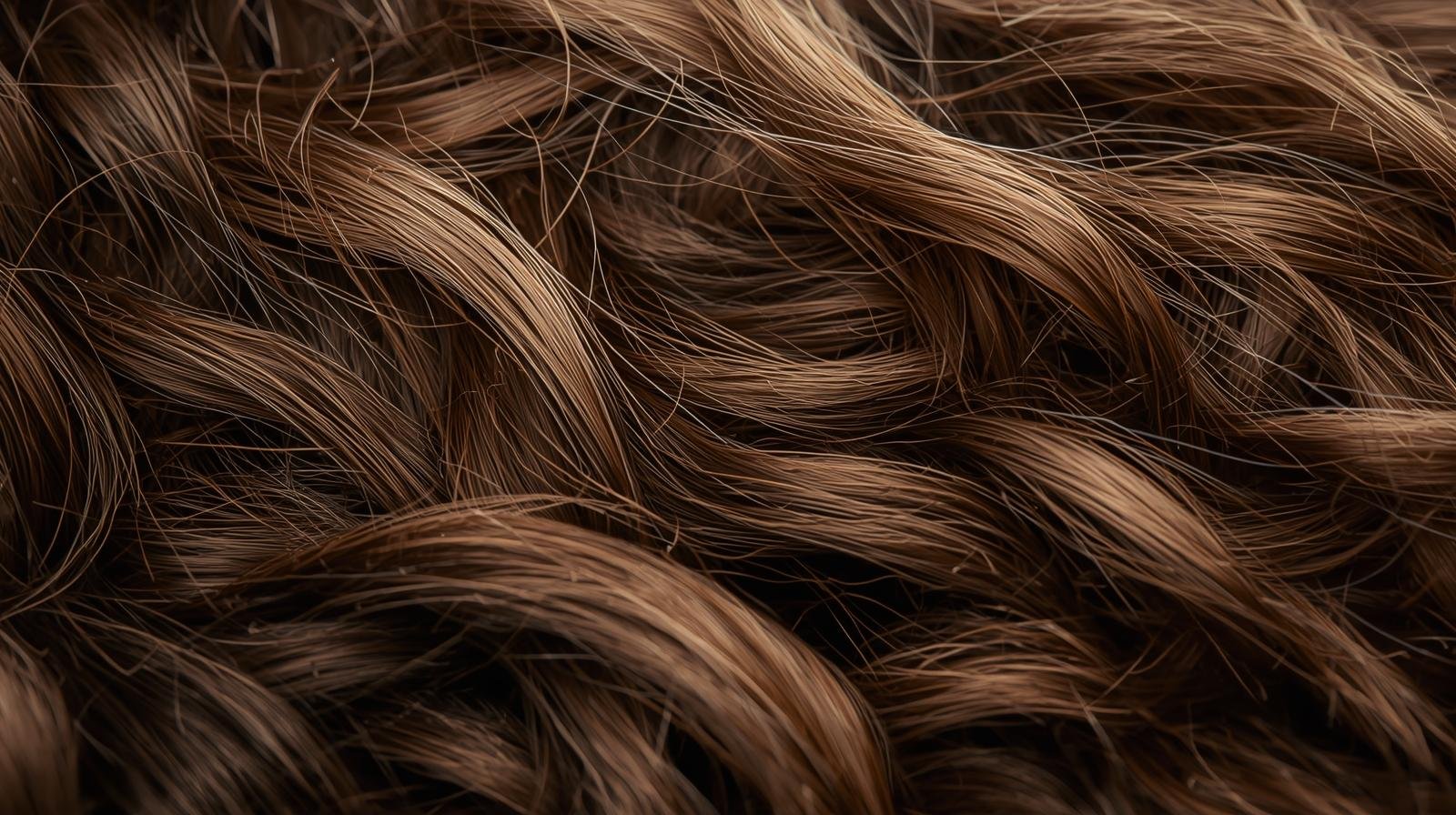
When people talk about hair texture types, they usually mean strand thickness. There are three main categories.
1. Fine Hair Texture
Fine hair has very thin strands and often feels soft or silky.
Common traits:
-
Lightweight and smooth
-
Gets oily quickly
-
Struggles to hold volume
Fine hair benefits from volumizing products and lightweight styling sprays.
2. Medium Hair Texture
Medium texture is the most common and easiest to manage.
Common traits:
-
Holds styles well
-
Balanced volume
-
Less prone to breakage
Most hairstyles and products are designed with medium texture in mind.
3. Coarse Hair Texture
Coarse hair has thick, strong strands and often feels rougher.
Common traits:
-
Naturally voluminous
-
Can feel dry or frizzy
-
Very resilient
Coarse textures need extra moisture and smoothing products.
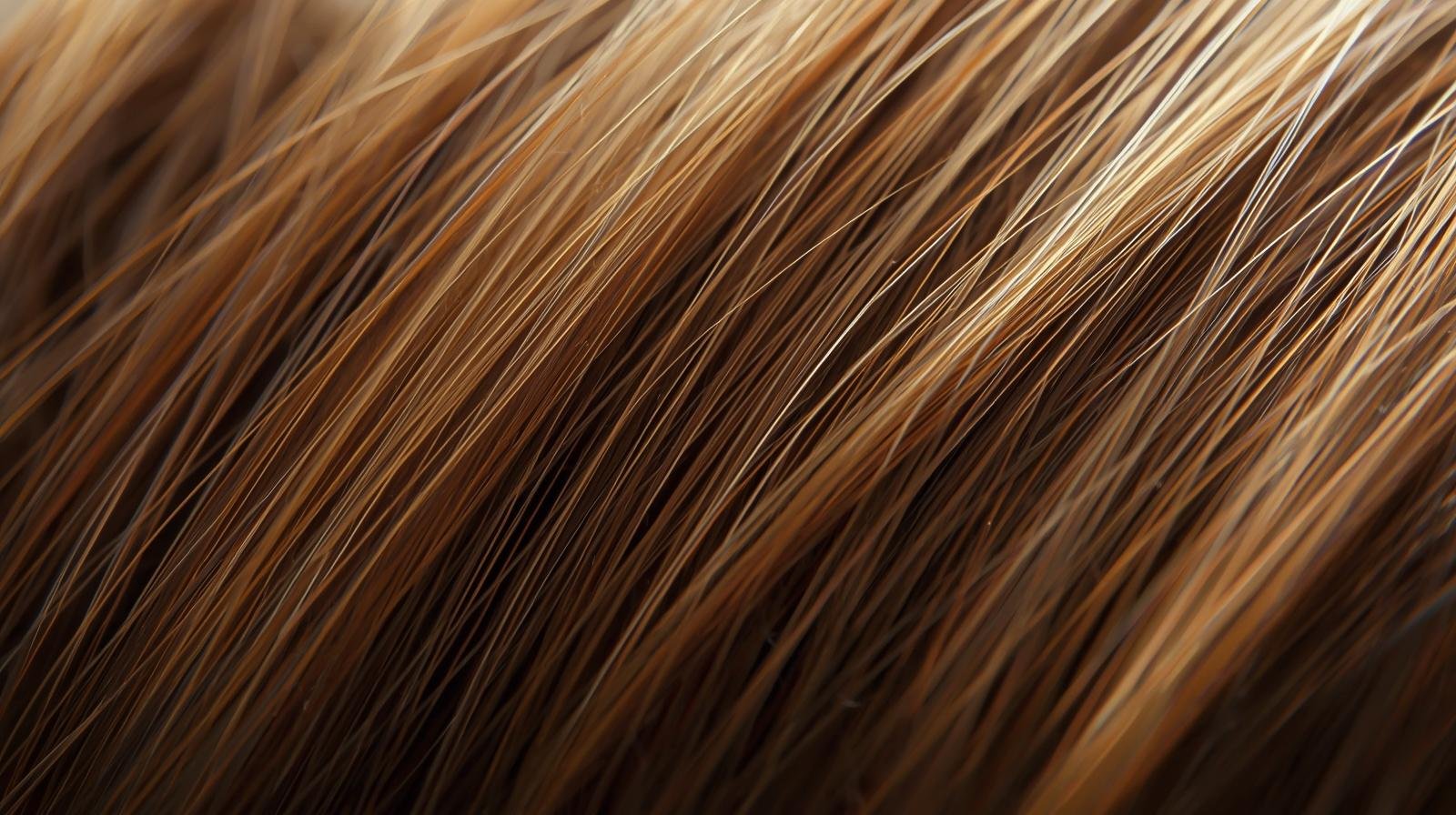
Hair Texture Chart: How to Identify Yours
A hairs texture chart helps you visually compare strand thickness and behavior.
Simple At-Home Test
-
Take a single strand of hair
-
Rub it between your fingers
-
Barely feel it → Fine
-
Feel it slightly → Medium
-
Feel it clearly → Coarse
This quick test is surprisingly accurate.
Hair Texture vs Hair Type: Not the Same Thing
Hairs texture and hairs type often get confused, but they’re different.
-
Hairs texture: Fine, medium, or coarse
-
Hair type: Straight, wavy, curly, coily
For example, you can have fine curly hair or coarse straight hair. Knowing both gives you total control over styling choices.
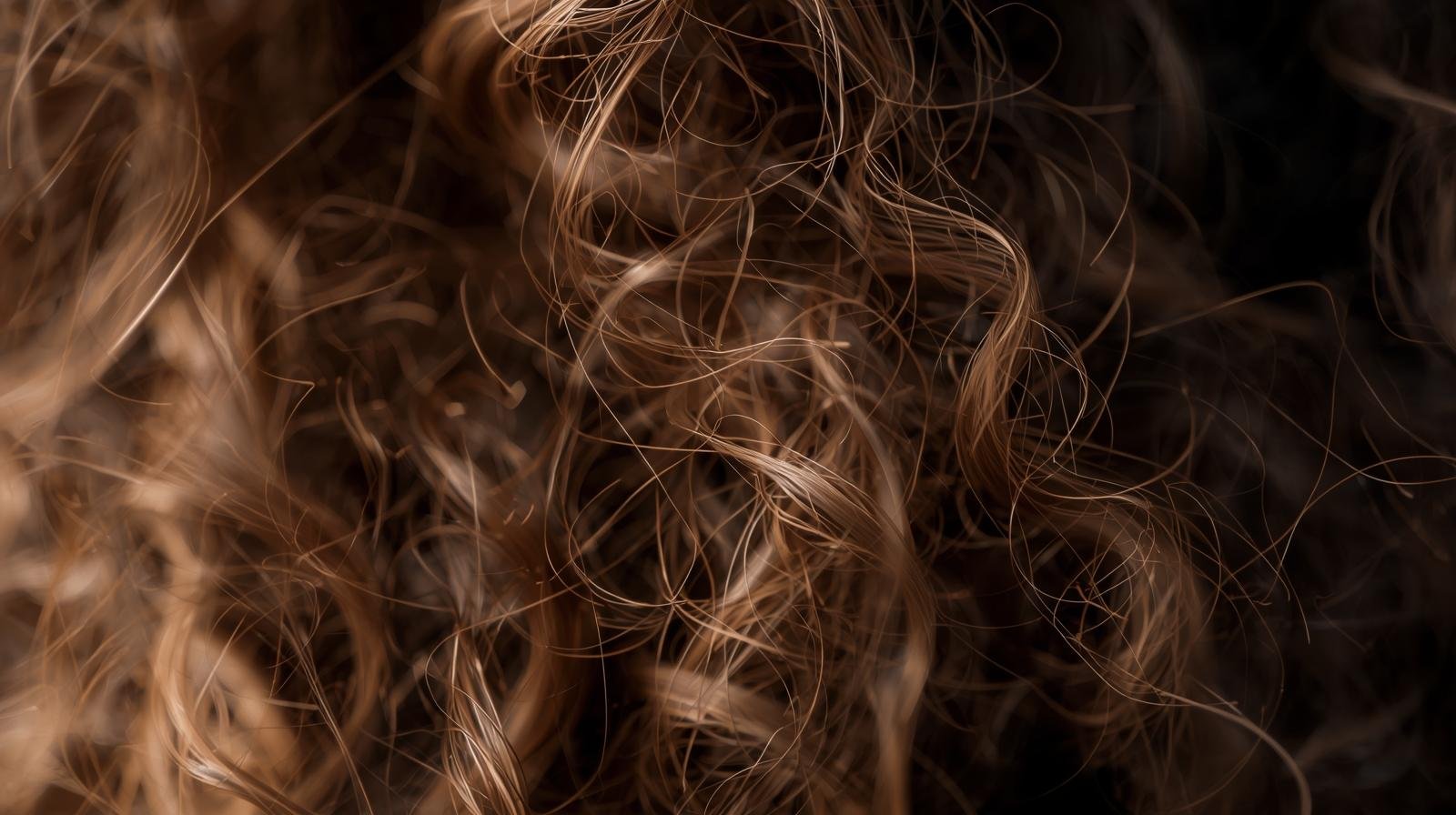
Understanding Appalachian Hair Texture
You may have come across the term Appalachian hairs texture, which describes a naturally coarse, wavy-to-curly texture commonly found in people with Appalachian ancestry.
This texture often features:
-
Dense hair growth
-
Strong wave patterns
-
High volume
It’s resilient and beautiful but benefits from hydration-focused routines.
Styling Products That Enhance Hair Texture
Hairs Texture Powder
Hairs texture powder adds instant grip and lift at the roots.
Best for:
-
Fine hair
-
Flat styles
-
Short haircuts
Use sparingly—too much can feel gritty.
Hair Texture Spray
Hairs texture spray creates definition and movement without stiffness.
Best for:
-
Beachy waves
-
Layered cuts
-
Medium to long hair
It’s ideal for effortless, lived-in styles.
How to Care for Different Hair Texture Types
Fine Hair Care Tips
-
Use lightweight shampoos
-
Avoid heavy oils
-
Blow-dry upside down for volume
Medium Hair Care Tips
-
Balance moisture and protein
-
Rotate styling products
-
Trim regularly
Coarse Hair Care Tips
-
Deep condition weekly
-
Use leave-in creams
-
Limit heat styling
The right routine can completely transform how your hair behaves.
Common Hair Texture Mistakes to Avoid
-
Using products meant for the wrong texture
-
Overwashing fine hair
-
Skipping moisture for coarse hair
-
Assuming hairs texture can’t change (it can over time!)
Hormones, aging, and environment all influence texture.
Read also <<< Hairs Texture Chart
FAQs About Hair Texture
What is hairs texture?
Hairs texture describes the thickness and feel of individual hairs strands—fine, medium, or coarse.
How do I know my hairs texture?
Use the finger test or a hairs texture chart to identify strand thickness.
Can hairs texture change over time?
Yes. Aging, hormones, diet, and chemical treatments can all affect hairs texture.
Is hairs texture the same as curl pattern?
No. Texture is strand thickness; curl pattern is hairs shape.
Which products are best for enhancing hairs texture?
Hairs texture spray adds movement, while hairs texture powder boosts volume and grip.
Conclusion: Why Understanding Hair Texture Changes Everything
Knowing your hair texture is one of the most powerful tools in hairs care. It helps you choose the right products, styles, and routines—saving time, money, and frustration.